+86-731-82739266
info@topsflo.com
The Leader of High-end Micro DC Pump in China

 +86-731-82739266

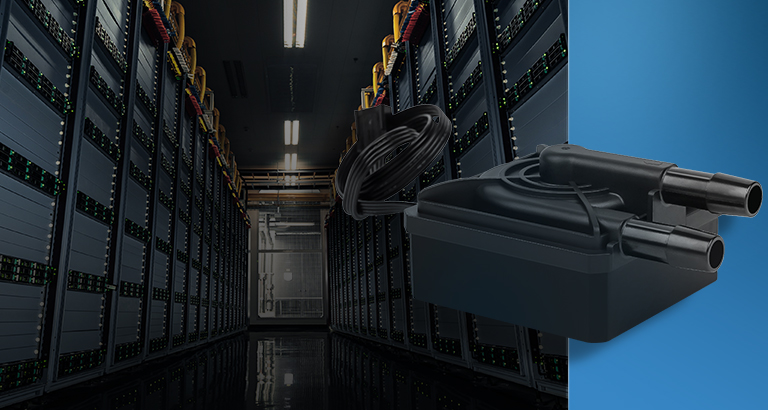
The increasing popularity of cloud computing, storage, for both home and business, has created a growing demand for highly efficient and extremely fast data centers. The consequence of higher computer processing speeds is the generation of more heat, which is not a good thing for electronics. Previously air-cooled, many data centers are now switching to liquid cooling technology as a more effective method of dissipating computer-generated heat in critical high-tech equipment.
Sealless, motor-integrated centrifugal pumps feature an integrated brushless DC variable speed motor ranging from 12 to 48 volts, integrating components into a compact, lightweight design. Fewer parts facilitate the advantages of no leakage, long life, low noise, low power consumption, and high temperature resistance.
Product customization according to the special needs of customers, support 5V/PWM speed regulation, FG speed signal feedback function, automatic intelligent detection function, support failure alarm, real-time data feedback, etc.
Designed for the circulation and transfer of fluids, TOPSFLO Pumps offer a flexible, safe and robust solution to moving fluid in critical high-tech applications.
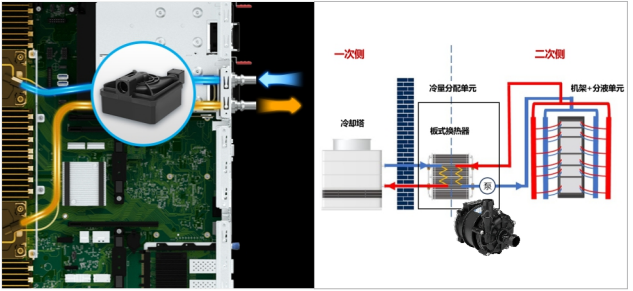
Adopting efficient DC brushless motor and rotor design, the flow rate and head fully meet the needs of liquid cooling servers. By directly contacting the liquid medium with the high heat density heat source, the micro pump absorbs and takes away the heat more efficiently, and significantly improves the heat dissipation efficiency of the system.
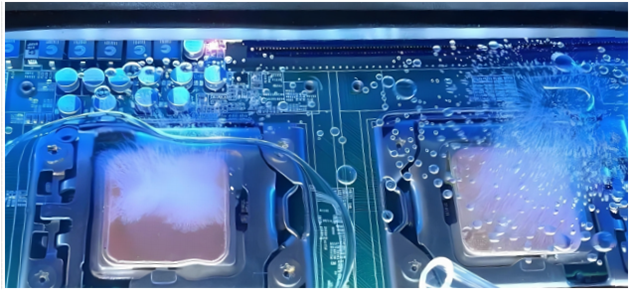
The cooling media used in the data center industry are diverse, including pure water, formula liquid, hydrocarbons, silicone oil, and fluorocarbons (fluorinated liquids). TOPSFLO water pumps have undergone comprehensive compatibility evaluations in the selection of materials for water-related parts, and provide a variety of material options to meet the needs of different customers.
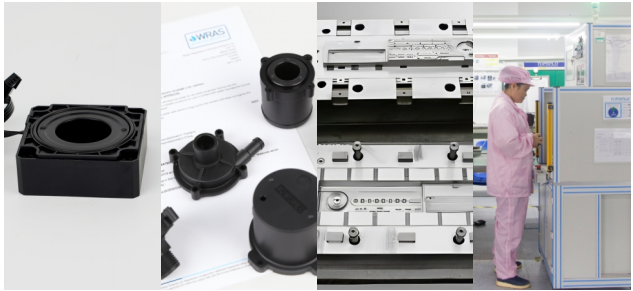
Adopting advanced magnetic drive static seal design and high-quality imported plastic materials, combined with high-precision mold manufacturing, the water pump has undergone strict leakage detection by French high-standard airtightness testing equipment, significantly reducing the risk of leakage and ensuring the safety and reliability of the server system.
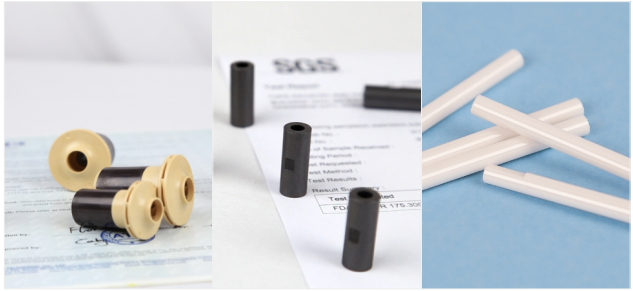
Using unique rotor suspension technology, with highly wear-resistant imported graphite sleeves and high-precision ceramic shafts, the water pump performance is stable and smooth, effectively reducing server system failures and downtime.
Water-cooling pump for 1U, 2U and tower server
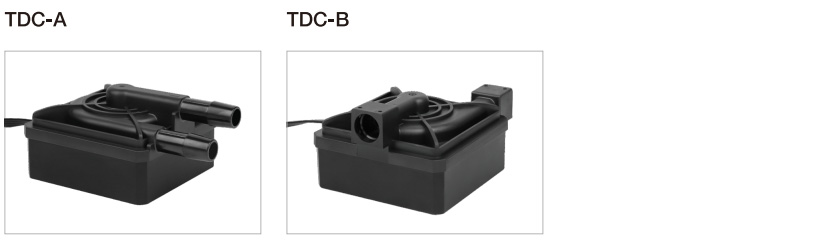
3U, 4U Server Liquid Cooling Pump
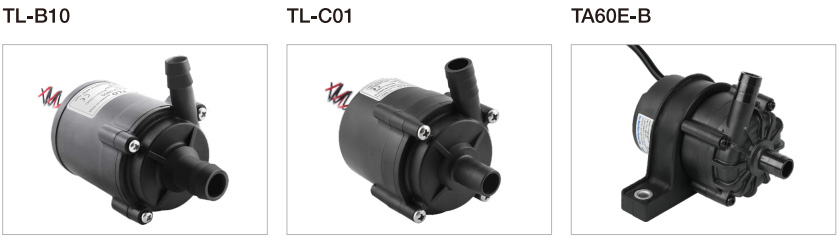
Water-cooling pump of AI Server Cooling
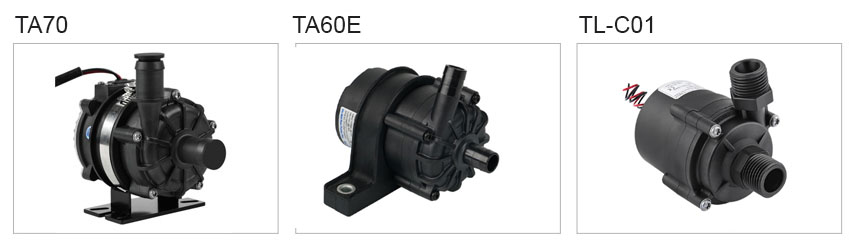
Water-cooling pump of Cooling Distribution Unit (CDU)
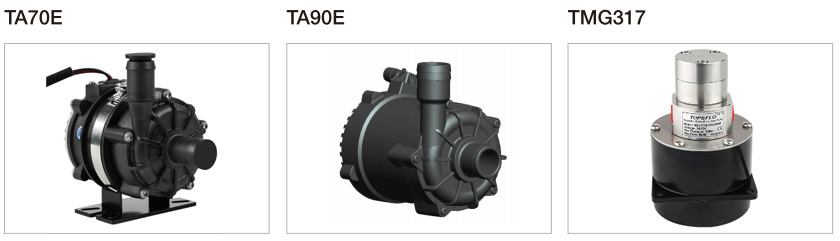
The pump for the make-up device of Cooling Distribution Unit (CDU)
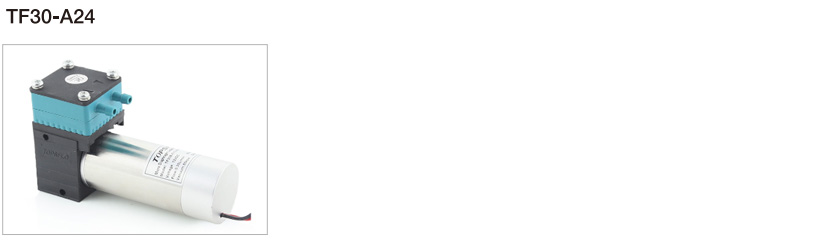
Get product catalog, please contact us !
Server & Electronics Liquid Cooling Pump Series by TOPSFLO
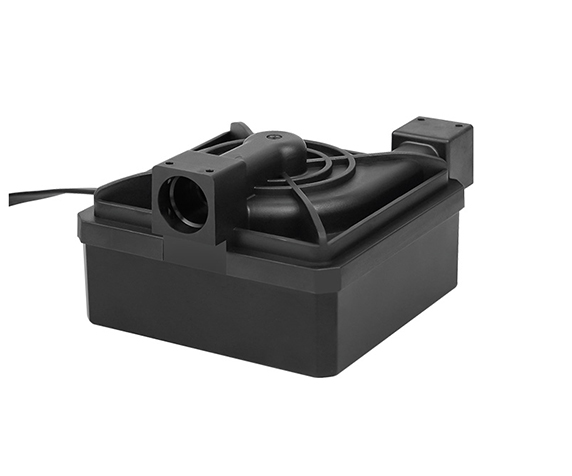
Voltage 12VDC
Max Flow 5.8L/min
Max Head 6M
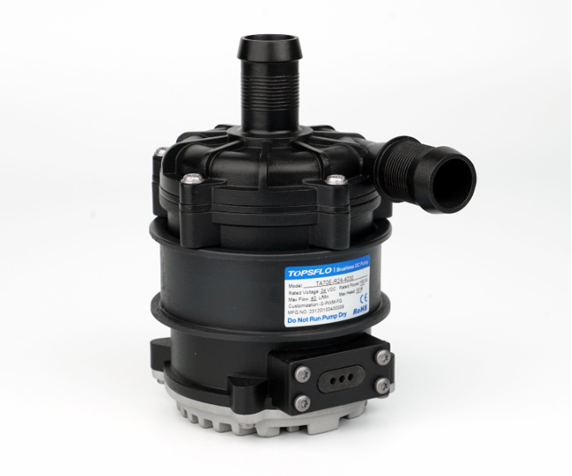
Voltage 24V
Max Flow 42L/min
Max Water Head 30M
Voltage 12VDC
Max Flow 5.8L/min
Max Head 6M
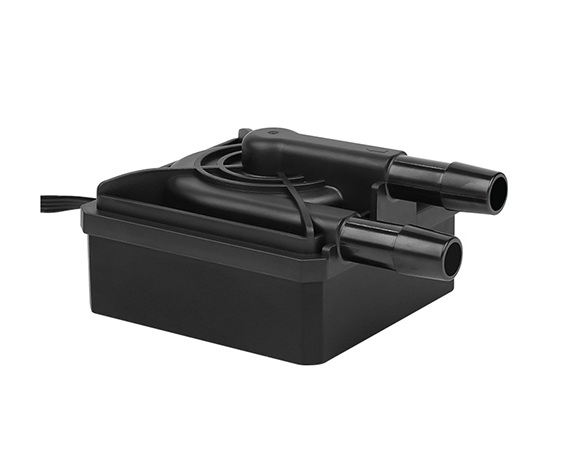
Voltage 12VDC
Max Flow 8.5L/min
Max Head 6M
| Basic market situation
With the advent of the digital age, data center servers have experienced rapid and continuous development and are playing an increasingly important role, providing powerful computing capabilities for applications such as cloud computing, artificial intelligence, and big data. As servers continue to evolve and expand in scale, their processing power and storage capacity continue to increase, and their heat dissipation requirements are getting higher and higher. Traditional air cooling methods can no longer meet the growing heat dissipation needs. In order to solve this problem, server liquid cooling solution emerged.
| Market pain points
There are the following difficulties in implementing a liquid cooling solution in 1U/2U server:
1.The problem of limited design space: The original air-cooling design solution is relatively mature. If you want to add a liquid cooling solution while maintaining the original design solution, the layout space for the liquid cooling solution will be very limited. 1U server Height = 4.445 cm, 2U server height = 4.445*2 = 8.89 cm.
2.Sealing and anti-leakage issues: Liquid cooling systems involve the use of a large amount of liquid media, and the core component in the server is the chip (CPU and GPU, etc.). Once the chip comes into contact with liquid, there is a risk of burning, resulting in The entire server is damaged, so it’s crucial to ensure the fluid circulation system is air-tightness and leak-proof.
3.Heat dissipation efficiency and performance issues: More than 55% of chip failures are caused by heat transfer failure or temperature rise. If the chip is above 70 degrees, its reliability will be reduced by 50% for every 10 degrees of temperature increase. Once the quality of the components in the cooling assembly is not good or the circulation design is not effective, there is a possibility of unstable product performance, which will lead to local overheating or insufficient cooling, thus affecting the normal operation of the server.
| TOPSFLO Solution
In order to meet the needs of cold-plate liquid-cooled servers, Topsflo Pump has specially designed a water pump with a unique flat design for them, which can better solve the problems currently encountered by server manufacturers:
1.The TDC thickness of the micro water pump is as low as 36mm and the overall size is small. The solution of combining the pump and the cold plate can be customized to help save space in the data center. Compared with bulky traditional cooling equipment, the compact design of micro water pumps makes server liquid cooling systems easier to deploy in limited spaces.
2.Water pump static seal design, imported PPS high-quality materials, high-precision molds, 100% strict air tightness testing of the water pump through high-standard air tightness testing equipment imported from France, effectively reducing the risk of leakage to ensure the safety of the server system performance and reliability.
3.Adopt unique rotor suspension technology and select high-wear-resistant imported graphite bushings and high-precision ceramic shafts to resist long-term operation and inevitable wear, ensure stable performance and operating status of the water pump, and reduce server system failures and downtime.
4.According to the heat dissipation requirements of the server, the micro water pump TDC is customized with a maximum flow rate of 8L/min and a maximum water head of 5M. The flow rate and water head are optimized in a compact size to meet the heat dissipation needs of the system. At the same time, the built-in smart chip can customize intelligent speed regulation and signal feedback functions to meet the needs of real-time intelligent monitoring of servers and help achieve more precise temperature control and stability of the server system.
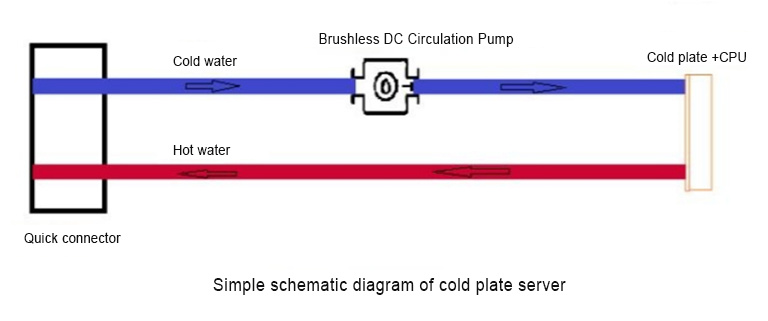
The rapid growth of artificial intelligence (AI), cloud computing, and high-performance computing (HPC) is driving unprecedented increases in data center power density. Traditional air cooling methods are increasingly challenged in maintaining optimal operating temperatures.

Data Center Energy Consumption Continues to Rise
According to the International Energy Agency (IEA), data centers currently account for approximately 1%–1.5% of global electricity consumption, with cooling systems representing up to 40% of a data center’s total energy use.
As computational workloads continue to expand, improving cooling efficiency has become one of the most effective ways to reduce operational costs and enhance sustainability.
Source: International Energy Agency (IEA), Electricity 2024 – Analysis and Forecast to 2026.
AI Workloads Are Driving Higher Rack Power Density
The emergence of generative AI has dramatically increased server heat loads.
According to research from Dell’Oro Group, traditional enterprise server racks typically operated at power densities of around 5–10 kW per rack. However, AI server deployments increasingly require 30–50 kW per rack, while some advanced AI clusters already exceed 100 kW per rack.
At these heat densities, conventional air cooling approaches become difficult to scale efficiently.
Source: Dell’Oro Group, Data Center Physical Infrastructure Reports.
Liquid Cooling Can Improve Energy Efficiency
The American Society of Heating, Refrigerating and Air-Conditioning Engineers (ASHRAE) notes that liquid cooling technologies provide significantly higher heat transfer capabilities than air cooling.
Industry studies indicate that liquid cooling can reduce cooling-related energy consumption by 30%–40%, depending on system architecture and operating conditions.
This improved efficiency contributes to lower operating costs and better Power Usage Effectiveness (PUE).
Source: ASHRAE Thermal Guidelines for Data Processing Environments.
The Liquid Cooling Market Is Experiencing Rapid Growth
The global liquid cooling market for data centers is expanding rapidly as organizations upgrade their infrastructure to support AI applications.
According to MarketsandMarkets, the global data center liquid cooling market is projected to grow from approximately USD 4.9 billion in 2024 to more than USD 21 billion by 2030, representing a compound annual growth rate (CAGR) exceeding 25%.
This growth highlights the increasing adoption of liquid cooling technologies across hyperscale, enterprise, and colocation facilities.
Source: MarketsandMarkets, Data Center Liquid Cooling Market Forecast.
While cold plates and heat exchangers often receive the most attention, the circulation pump serves as the “heart” of the liquid cooling loop.
A reliable server cooling pump directly affects:
• Coolant flow stability
• Heat transfer efficiency
• System uptime
• Energy consumption
• Maintenance frequency
• Overall cooling reliability
Even minor fluctuations in coolant flow can impact component temperatures and reduce computing performance under sustained workloads.
For mission-critical environments such as AI clusters and cloud data centers, pump reliability is therefore a fundamental requirement rather than an optional feature.
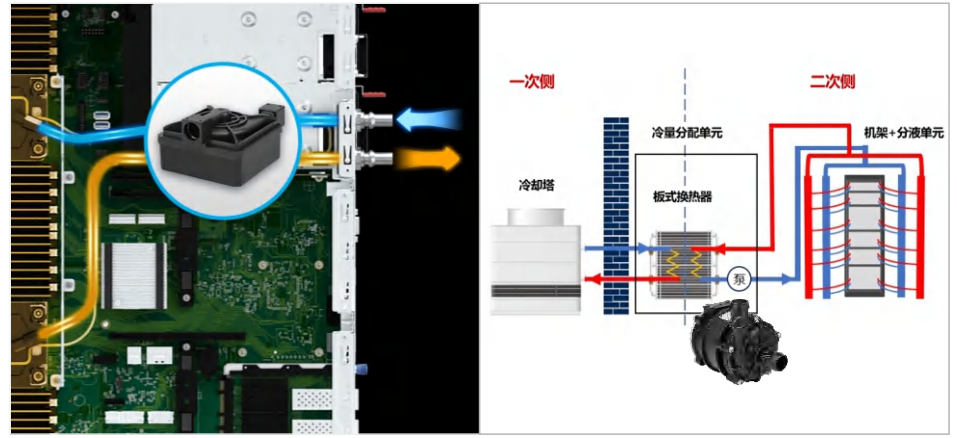
As liquid cooling adoption accelerates, pump manufacturers must meet increasingly demanding requirements for efficiency, durability, and intelligent control.
TOPSFLO server cooling pumps are engineered to address these challenges through:
• High-efficiency brushless DC motor technology
• Leak-resistant magnetic-drive structures
• Long service life exceeding >30,000 hours
• PWM, FG, and I²C intelligent control options
• Compatibility with multiple coolant media
• Compact designs suitable for dense server architectures
These capabilities help system integrators and equipment manufacturers build reliable thermal management systems capable of supporting next-generation computing applications.
References
International Energy Agency (IEA). Electricity 2024: Analysis and Forecast to 2026.
ASHRAE. Thermal Guidelines for Data Processing Environments.
Dell’Oro Group. Data Center Physical Infrastructure Reports.
MarketsandMarkets. Data Center Liquid Cooling Market Forecast.
Uptime Institute. Global Data Center Survey.



Recommend you also directly send and email to info@topsflo.com to get our fastest response.